
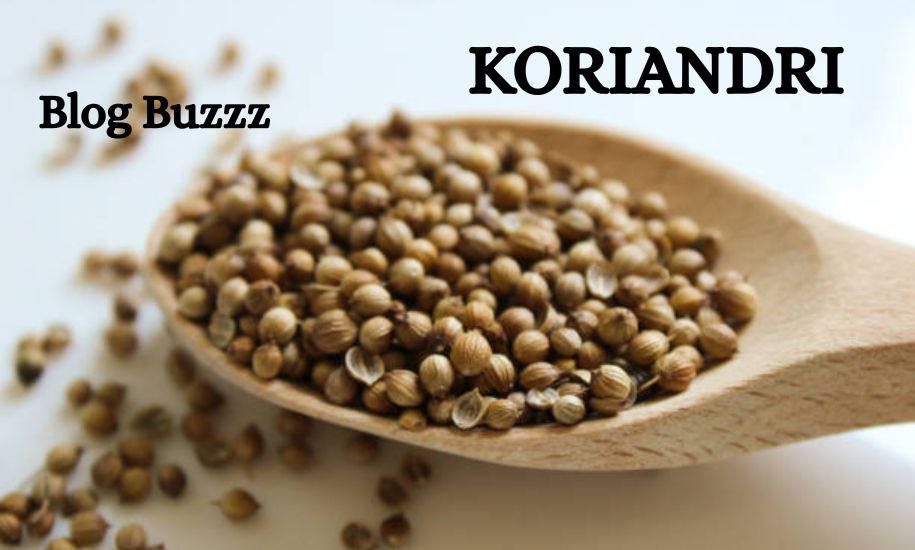
Koriandri is a word many people search online when trying to understand herbs, spices, and international cooking ingredients. In most cases, Koriandri refers to coriander, a well-known plant used in kitchens around the world. Coriander is valued because both its fresh leaves and dried seeds are useful in cooking. The leaves are often used as a garnish or fresh herb, while the seeds are used whole or ground as a spice.
This ingredient has become especially popular in the UK because of the country’s love for global cuisine, including Indian, Pakistani, Thai, Middle Eastern, and Mediterranean dishes. Whether added to curries, soups, sauces, or salads, Koriandri brings a unique flavour and aroma that many people enjoy.
| Quick Bio | Details |
|---|---|
| Keyword | Koriandri |
| Common Meaning | Coriander |
| Scientific Name | Coriandrum sativum |
| Plant Type | Herb and spice plant |
| Leaves Name | Coriander leaves / Cilantro |
| Seeds Name | Coriander seeds |
| Main Uses | Cooking, seasoning, garnish |
| Popular In | UK, Asia, Europe, Middle East |
| Taste | Fresh, citrusy, warm, slightly sweet |
What is Koriandri?
Koriandri is commonly understood as another spelling or variation of coriander. It may come from regional language differences, transliteration, or alternative naming styles. While the spelling may vary, it usually points to the same plant known worldwide for its culinary value.
Coriander has been used for centuries in traditional cooking. Ancient civilisations valued it for flavour, fragrance, and Food preservation. Today, it remains one of the most commonly used herbs and spices globally.
The Two Main Forms of Koriandri
One reason Koriandri is so popular is because the plant offers two different ingredients from one source.
Fresh Leaves
The leaves are soft, green, and highly aromatic. They are often chopped and added fresh to dishes before serving. In some countries, these leaves are called cilantro.
Fresh coriander leaves are commonly used in:
- Curries
- Rice dishes
- Salads
- Wraps
- Soups
- Salsa
- Chutneys
Coriander Seeds
The seeds are small, round, and light brown. They can be used whole, crushed, or ground into powder.
Coriander seeds are common in:
- Spice mixes
- Marinades
- Roasted vegetables
- Meat rubs
- Bread recipes
- Pickles
- Curry powders
What Does Koriandri Taste Like?
Koriandri has different flavours depending on whether you use the leaves or seeds.
Fresh leaves usually taste:
- Bright
- Citrusy
- Herbal
- Slightly peppery
Seeds usually taste:
- Warm
- Mildly sweet
- Nutty
- Light lemon notes
This combination makes coriander one of the most flexible ingredients in cooking.
Why Is Koriandri Popular in the UK?
Koriandri has become very common in UK kitchens because Britain has a rich multicultural food scene. Many households regularly cook meals inspired by Indian, Pakistani, Bangladeshi, Turkish, Lebanese, and Asian cuisine. Coriander is often an essential ingredient in these recipes.
UK supermarkets usually stock:
- Fresh coriander bunches
- Dried coriander seeds
- Ground coriander powder
- Mixed spice blends containing coriander
Because it is affordable and easy to use, many home cooks keep it in their kitchen cupboards.
Health Benefits of Koriandri
Besides flavour, Koriandri is also valued for its nutritional qualities. While it should not be considered medicine, it can be a healthy addition to meals.
Fresh coriander leaves may provide:
- Vitamin K
- Vitamin C
- Antioxidants
- Small amounts of minerals
Coriander seeds may provide:
- Fibre
- Iron
- Magnesium
- Natural plant compounds
Many people also enjoy coriander as part of balanced meals focused on fresh ingredients.
How to Use Koriandri in Cooking
If you are new to Koriandri, there are many simple ways to start using it.
Easy Uses for Fresh Leaves
- Sprinkle over curry before serving
- Add to salad bowls
- Mix into yoghurt sauces
- Blend into green chutney
- Add to tacos or wraps
Easy Uses for Seeds or Powder
- Add to soups and stews
- Mix into spice rubs
- Season chicken or lamb
- Stir into lentil dishes
- Add to roasted potatoes
Using coriander in small amounts first is a smart idea, then increase based on taste.
How to Store Koriandri
To keep fresh coriander usable for longer:
- Store in the fridge
- Wrap stems in damp paper towel
- Keep in sealed container
For dried seeds or powder:
- Store in airtight jars
- Keep away from heat and sunlight
- Use within several months for best flavour
Fresh coriander can lose quality quickly, so it is best used soon after purchase.
Is Koriandri the Same as Cilantro?
This is a common question. In many places:
- Cilantro refers to the leaves
- Coriander refers to the seeds
In the UK, people often use the word coriander for both leaves and seeds, depending on context. So when someone searches for Koriandri, they are usually referring to coriander generally.
Can Everyone Enjoy Koriandri?
Most people can enjoy coriander safely as a normal food ingredient. However, taste preferences vary. Some people feel the leaves have a soapy flavour due to genetics. Others love its freshness and use it often.
If you are unsure whether you like it, try coriander seeds first, as they often have a milder flavour than the leaves.
Final Thoughts on Koriandri
Koriandri is another name or spelling variation often used for coriander, one of the world’s most versatile herbs and spices. With fresh leaves for brightness and seeds for warmth, it can improve countless recipes. Its popularity continues to grow in the UK thanks to diverse food culture and easy availability in supermarkets. Whether you are an experienced cook or a beginner, Koriandri is worth exploring in your kitchen. For more useful lifestyle and food guides, visit Blog Buzzz.
